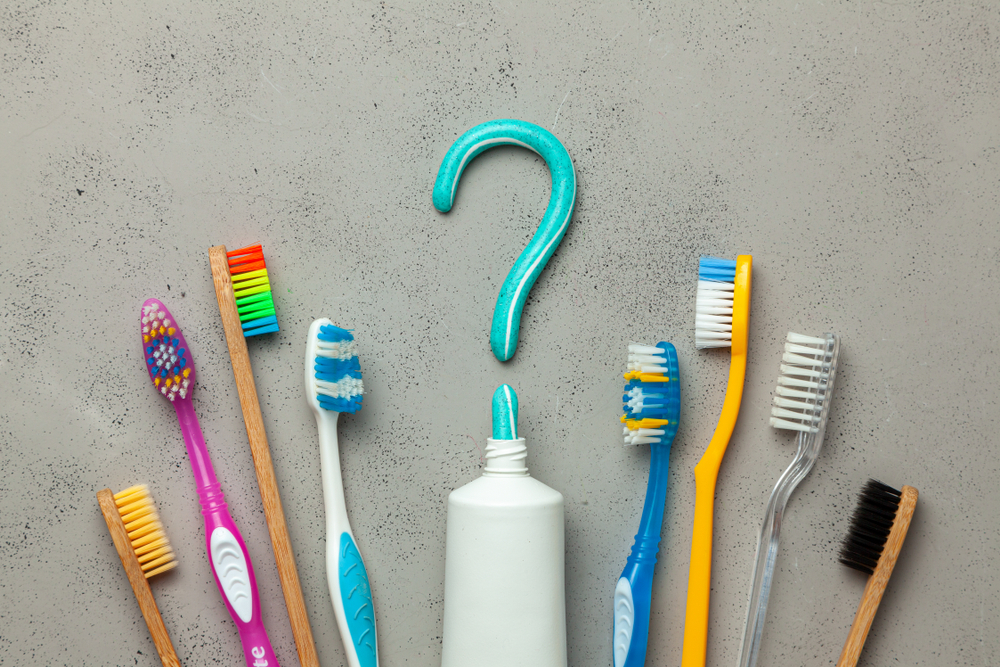
Maintaining optimal oral health starts with selecting the right toothbrush, a fundamental tool in your daily dental routine. With countless options available, it can be overwhelming to determine which toothbrush best suits your needs.
Choosing the right toothbrush is essential for maintaining optimal oral hygiene because it directly impacts the effectiveness of plaque removal, gum health, and overall dental wellness. A properly selected toothbrush with appropriate bristle firmness—usually soft or medium—ensures gentle yet thorough cleaning without damaging delicate gum tissue or enamel. The size and shape of the brush head should comfortably reach all areas of the mouth, including hard-to-access spots, reducing the risk of cavities and tartar buildup. Additionally, choosing a toothbrush with ergonomic features can encourage consistent and proper brushing habits. An electric toothbrush may offer superior plaque removal for some individuals, especially those with limited dexterity. Ultimately, the right toothbrush supports the removal of food debris and bacteria, prevents gingivitis, and promotes fresh breath, making it a fundamental tool for a healthy smile. Regularly replacing your toothbrush every three to four months or after illness is equally vital to ensure effective cleaning.
Manual Vs. Electric Toothbrush: Which is Better?
One of the first decisions to make is whether to opt for a manual or electric toothbrush. Manual toothbrushes are traditional and widely used, offering simplicity and affordability. They require proper technique and consistent effort to be effective. Electric toothbrushes, on the other hand, feature powered bristles that can provide more thorough cleaning with less manual effort. Studies indicate that electric toothbrushes often remove plaque more efficiently, especially in hard-to-reach areas, making them a preferred choice for individuals with braces, limited dexterity, or periodontal issues. When visiting a dental clinic in Guntur, your dentist can recommend the most suitable option based on your oral health status and personal preferences.
Understanding Bristle Types: Soft, Medium, And Hard
Bristle type significantly impacts the effectiveness and safety of your brushing routine. Soft bristles are gentle on gums and enamel, making them ideal for most users, particularly those with sensitive gums or dental restorations. Medium and hard bristles may seem more effective at plaque removal but can cause gum irritation, recession, or enamel abrasion if used aggressively. As the best dentist in Guntur emphasizes, choosing a toothbrush with soft bristles ensures effective cleaning without damaging your oral tissues. Always look for reputable brands that specify soft bristles and avoid overly stiff brushes to prevent unnecessary wear.
Brushing Children’s Teeth – Pediatric Dentist in Guntur
Children require special attention when it comes to oral hygiene. Pediatric dentists in Guntur recommend using a toothbrush with smaller heads to access their tiny mouths comfortably. For young children, a soft-bristled toothbrush is essential to protect their developing teeth and gums. Encourage children to brush twice daily for at least two minutes, guiding them to reach all surfaces, including back molars. Supervision and positive reinforcement make brushing a fun and effective habit. Parents should replace toothbrushes every three to four months or sooner if bristles become frayed. Using a pea-sized fluoride toothpaste and scheduling regular dental visits at a pediatric dentist in Guntur ensures your child's oral health is well-maintained.
When to Replace Your Toothbrush?
Regularly replacing your toothbrush is crucial for maintaining oral hygiene. Worn-out bristles lose their effectiveness in removing plaque and can harbor bacteria. The general recommendation is to replace your toothbrush every three to four months, or immediately after recovering from illness to prevent reinfection. Signs of wear include frayed or bent bristles and a dull appearance. At Sapphire Clinics, we advise patients to observe these signs and adhere to replacement schedules to ensure optimal cleaning performance. Remember, a fresh toothbrush contributes significantly to avoiding cavities, gum disease, and other oral health issues.
Additional Tips For Choosing The Right Toothbrush
Beyond bristle type and power source, consider other factors such as handle ergonomics, size, and design. A comfortable, non-slip handle ensures better control during brushing, especially for individuals with limited dexterity. The toothbrush head should be small enough to reach all areas comfortably, including the back molars. For those with specific dental conditions, such as orthodontics or dental implants, specialized toothbrushes may be necessary. Consulting your dentist in Guntur can provide personalized recommendations tailored to your unique needs. Ultimately, consistency and proper technique are as vital as the toothbrush itself.
Conclusion - Expert Dental Care at Sapphire Clinics
Selecting the right toothbrush is a fundamental step in maintaining excellent oral health. Whether you prefer a manual or electric brush, prioritize soft bristles, and replace your toothbrush regularly, these small but impactful choices can make a significant difference. For comprehensive dental care, visiting the best dental clinic in Guntur like Sapphire Clinics or consulting with the best dentist in Guntur ensures you receive expert advice tailored to your needs. Remember, good oral hygiene starts with the right tools and habits—invest in your smile today for a healthier tomorrow.