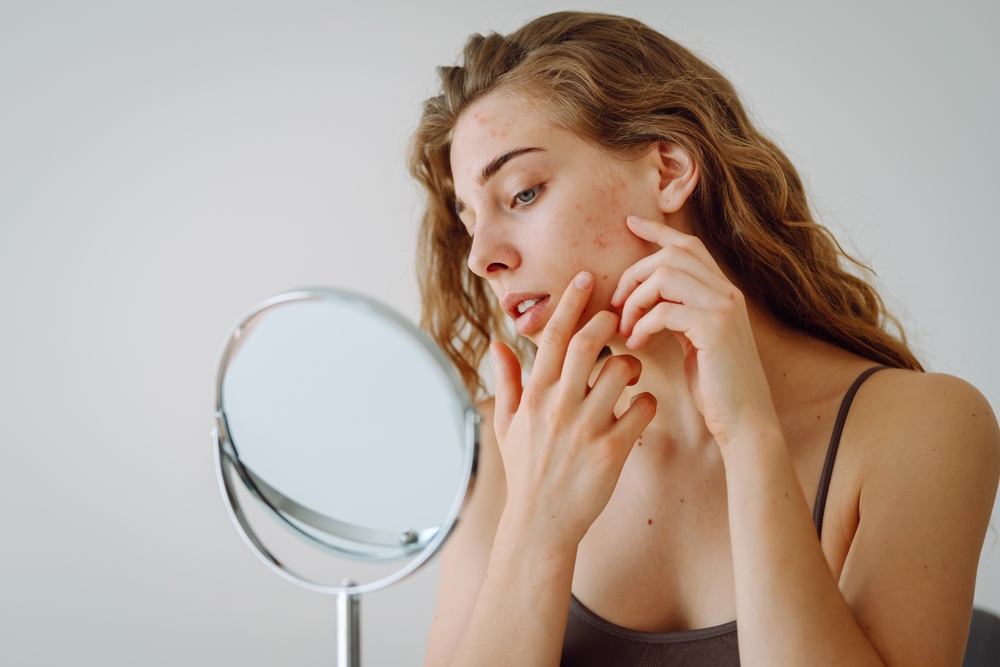
Acne is a common skin condition that affects millions worldwide, often impacting self-esteem and confidence. It primarily occurs during adolescence but can persist or develop at any age. Understanding the underlying causes, various types, and symptoms of acne is essential for effective management and treatment. This comprehensive guide aims to shed light on these aspects, helping individuals make informed decisions about their skin health.
Social Stigma of Acne: Impact on Confidence and Mental Health
Social stigma surrounding acne often leads to feelings of embarrassment, shame, and social withdrawal, impacting individuals' self-esteem and mental health. Despite being a common skin condition, acne is frequently misjudged, with many perceiving it as a sign of poor hygiene or laziness, which can unfairly influence social interactions and opportunities. Adolescents and young adults are particularly vulnerable to peer judgment, fostering anxiety and reluctance to seek treatment. The stigma perpetuates a cycle of negative self-image and social isolation, emphasizing the need for increased awareness, education, and compassionate attitudes to dismantle misconceptions and promote acceptance of skin diversity.
Causes of Acne: Hormonal, Genetic, and Lifestyle Factors
Acne develops due to a combination of factors that influence the skin’s oil production and pore health. One primary cause is excess sebum production, which is often stimulated by hormonal fluctuations, especially during puberty, menstruation, or stressful periods. When sebum combines with dead skin cells, it can clog hair follicles, leading to the formation of acne lesions. Bacteria, particularly Propionibacterium acnes, thrive in clogged pores, causing inflammation and redness. Genetics also play a significant role; individuals with a family history of acne are more prone to developing it. Additionally, certain medications, diet (high in sugar and dairy), and environmental factors such as pollution can exacerbate the condition. For those seeking expert guidance, consulting a dermatologist in Guntur can provide personalized insights and effective management strategies.
Types of Acne
Acne manifests in various forms, each with distinct characteristics and severity levels. The most common types include:
- Whiteheads (Closed Comedones): Small, flesh-colored bumps caused by clogged hair follicles just beneath the skin surface. They are not inflamed and generally do not cause discomfort.
- Blackheads (Open Comedones): Similar to whiteheads but with a dark pigmentation at the surface due to oxidation of the clogged material. They are visible on the skin as small black dots.
- Papules: Small, red, tender bumps that result from inflamed clogged pores. They may be slightly raised and are often sensitive to touch.
- Pustules: Similar to papules but contain pus, giving them a white or yellowish appearance. These are typical of more inflamed acne.
- Nodules: Large, painful, solid lumps beneath the skin that result from deep inflammation. They can cause scarring if not treated promptly.
- Cysts: Severe, pus-filled lesions that are often painful and can lead to permanent scars. They require specialized treatment from a qualified skin care professional.
Understanding these types enables individuals to recognize their condition early and seek appropriate skin care treatment in Guntur.
Symptoms of Acne: How to Recognize Early Signs
The symptoms of acne vary depending on the type and severity. Common signs include the appearance of pimples, blackheads, or cysts primarily on the face, chest, shoulders, and back. Inflammatory lesions such as papules and pustules are often red, swollen, and tender, causing discomfort and sometimes pain. As acne progresses, individuals may notice skin discoloration, hyperpigmentation, or scarring, which can be challenging to treat. Early diagnosis and intervention are crucial to prevent complications, making it essential to consult the best dermatologist in Guntur for a tailored treatment plan.
Treatment Options From Best Dermatologist in Guntur
Acne treatment options encompass a variety of both non-surgical and surgical approaches tailored to the severity and type of acne. Non-surgical methods primarily include topical and systemic medications. Topical treatments are often the first line of defense and typically contain ingredients such as benzoyl peroxide, which reduces bacteria and inflammation; retinoids like tretinoin, adapalene, or tazarotene that promote cell turnover; and antibiotics such as clindamycin or erythromycin to decrease bacterial proliferation. Other ointments may include azelaic acid for its anti-inflammatory and antibacterial properties, or salicylic acid to exfoliate and unclog pores. Systemic options, reserved for moderate to severe cases, involve oral antibiotics like doxycycline, minocycline, or erythromycin, which suppress bacteria and inflammation. Hormonal therapies such as oral contraceptives or anti-androgens like spironolactone are also effective, especially in hormonal acne.
Surgical acne treatment in Guntur is considered when persistent or cystic acne causes scarring or nodules. Procedures include comedone extraction, performed by dermatologists to physically remove blackheads and whiteheads, and corticosteroid injections for reducing inflamed cysts. Laser and light therapies are non-invasive options that target bacteria, reduce sebaceous gland activity, and improve skin texture. Chemical peels with phenol or salicylic acid can also help improve skin appearance and reduce acne scars. Each treatment must be personalized, often combining pharmaceutical and procedural options to achieve optimal results while minimizing side effects.
Conclusion
Acne is a multifaceted skin condition influenced by hormonal, genetic, environmental, and lifestyle factors. Recognizing its causes, types, and symptoms is vital for effective management. If you're struggling with persistent or severe acne, seeking professional advice from a trusted skin clinic in Guntur, such as Sapphire Clinics, can make a significant difference. They offer comprehensive acne treatment in Guntur, leveraging expertise to help restore your skin’s health and confidence. Remember, early intervention and proper skin care routines are key to managing acne and preventing long-term skin damage.